

Once a month, for 30 minutes before the market officially opens, the VIX does something pretty interesting.
At root, the VIX is a pretty simple product:
People bid up the price of OTM options → VIX goes up
People don’t bid as much for OTM options → VIX goes down
Now, of course, you can’t directly trade the index, but you can trade the futures tied to it.
So, if you know that the futures price has to track the price of the index, then in theory, couldn’t you just game this for a profit?
Buy VIX futures with lots of leverage
Submit a bunch of orders on deep OTM SPX options
For instance, bidding 0.05 for a 20% OTM put that expires in 30 days
The index rises, and by proxy, so does the price of the futures
Profit.
Well, believe it or not, this process happens on vol trading desks every single month.
Or at least allegedly it does:
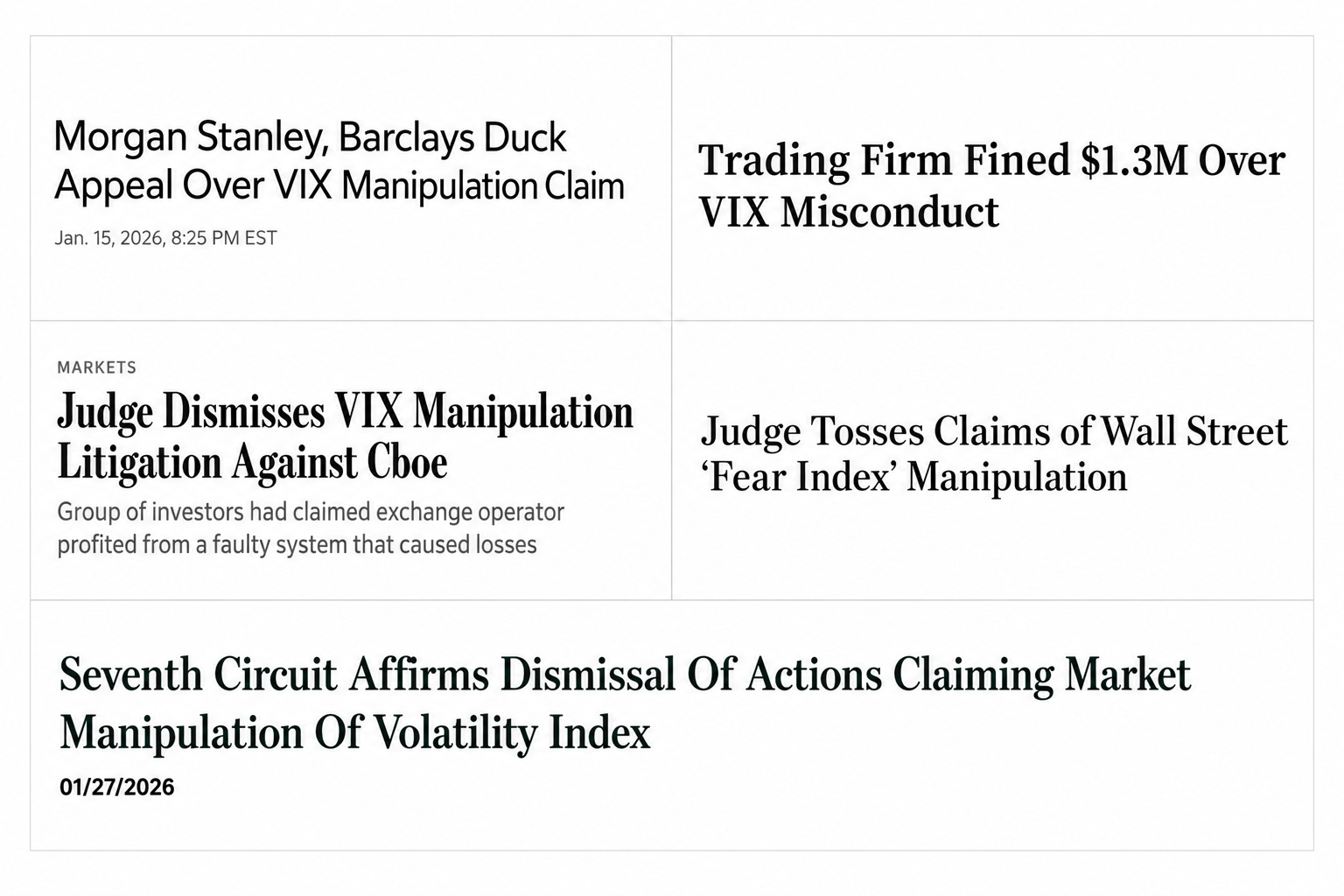
Today, we’re going to be taking a deep look at a fascinating market mechanism of how pros actually trade the VIX, with no holds barred.
Only a few hundred people actually know how this stuff works in detail, so by the end of this, we’re confident you’ll have picked up something new.
So, without further ado, let’s get right into it.
Forecasts Are For Suckers
Alright, we don’t want to overwhelm you with formulas and papers, so we’ll start off at a high-level.
VIX futures and options expire monthly, and on settlement morning, the process generally looks like this:
30 minutes before market open, the expiring VIX futures and options stop trading.
At market open, the strip of SPX options to be used in the calculation is chosen.
For the strikes that actually traded, the opening price is used. If the strike didn’t actually trade, the midpoint of the bid-ask is used.
With those prices, the standard VIX calculation is run to generate the final value.
This final value, the VRO, is what the futures and options settle to.
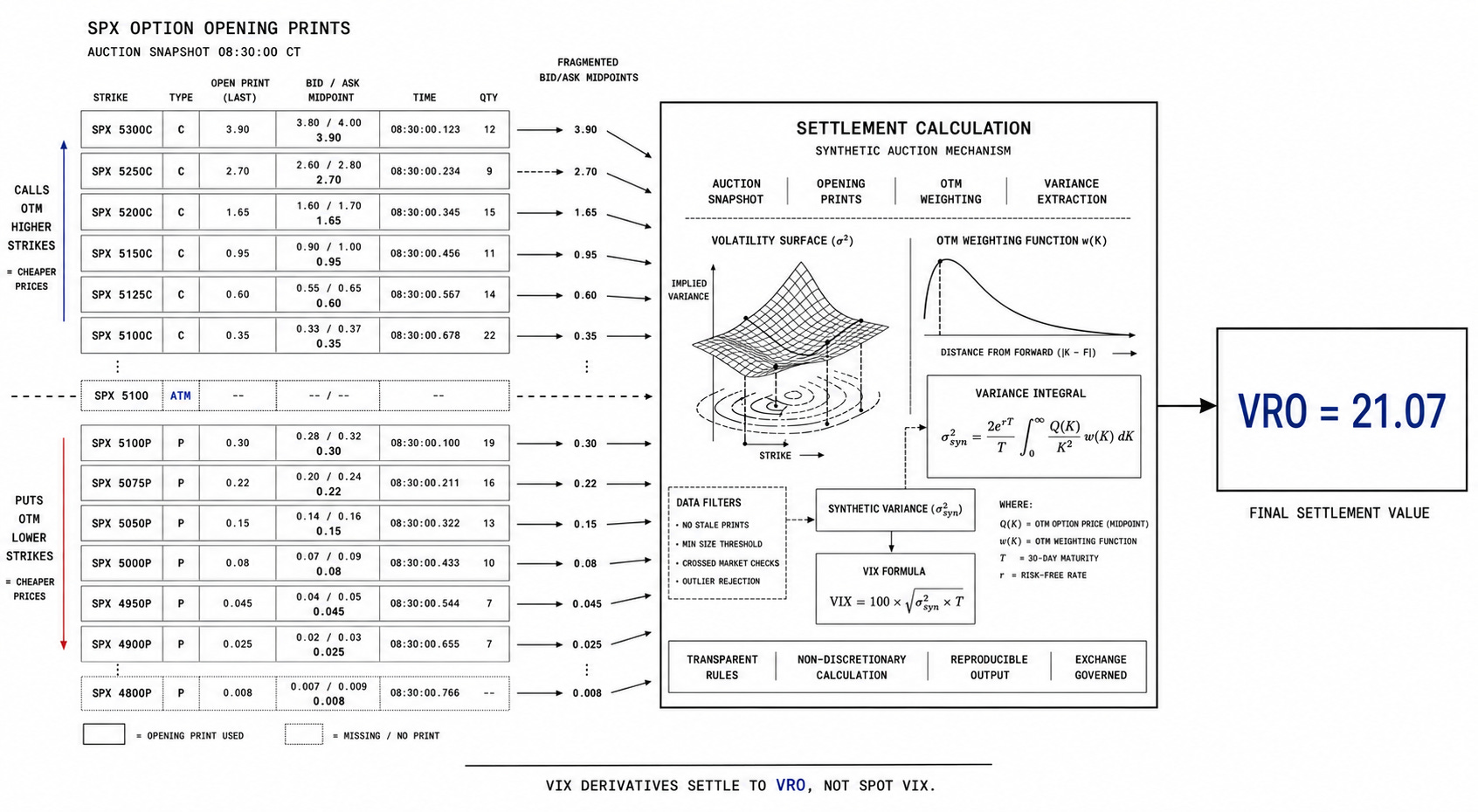
In theory, if you had a large enough position in the futures, you could waste a few hundred dollars by overpaying for nonsensical out-of-the-money SPX options at the open, then by settlement, even if the value is a few cents higher, your leveraged futures position would generate a major profit (each VIX futures point is worth one thousand dollars per contract).
Where this gets interesting is the evidence that this isn’t really theoretical at all.
This Might Actually Be Happening
In the Manipulation in the VIX? paper by Griffin and Shams, a large-scale study of SPX option data was done to see if there were any anomalies in trading that could spot this.
You can draw your own conclusions, but the evidence is pretty damning:
ONLY the options that actually impact settlement explode in volume
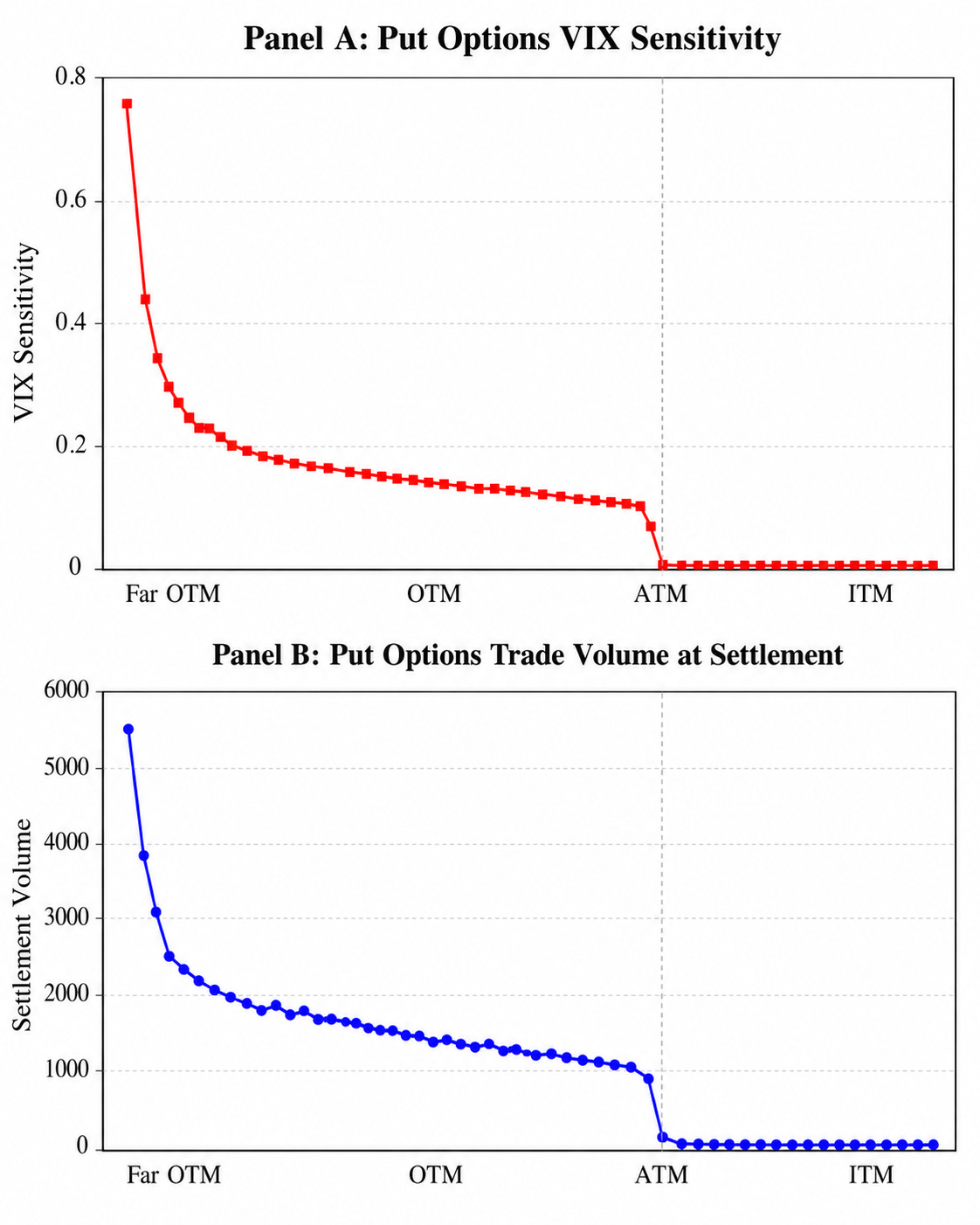
The furthest out of the money options tend to have the most sensitivity in the VIX calculation as, in theory, they reflect how much investors are bracing for extreme tail events. Across the sample, it was found that these options specifically received the most abnormal volume at settlement.
Now, this could just be coincidental, so let’s see how active those same options are on any regular trading day:
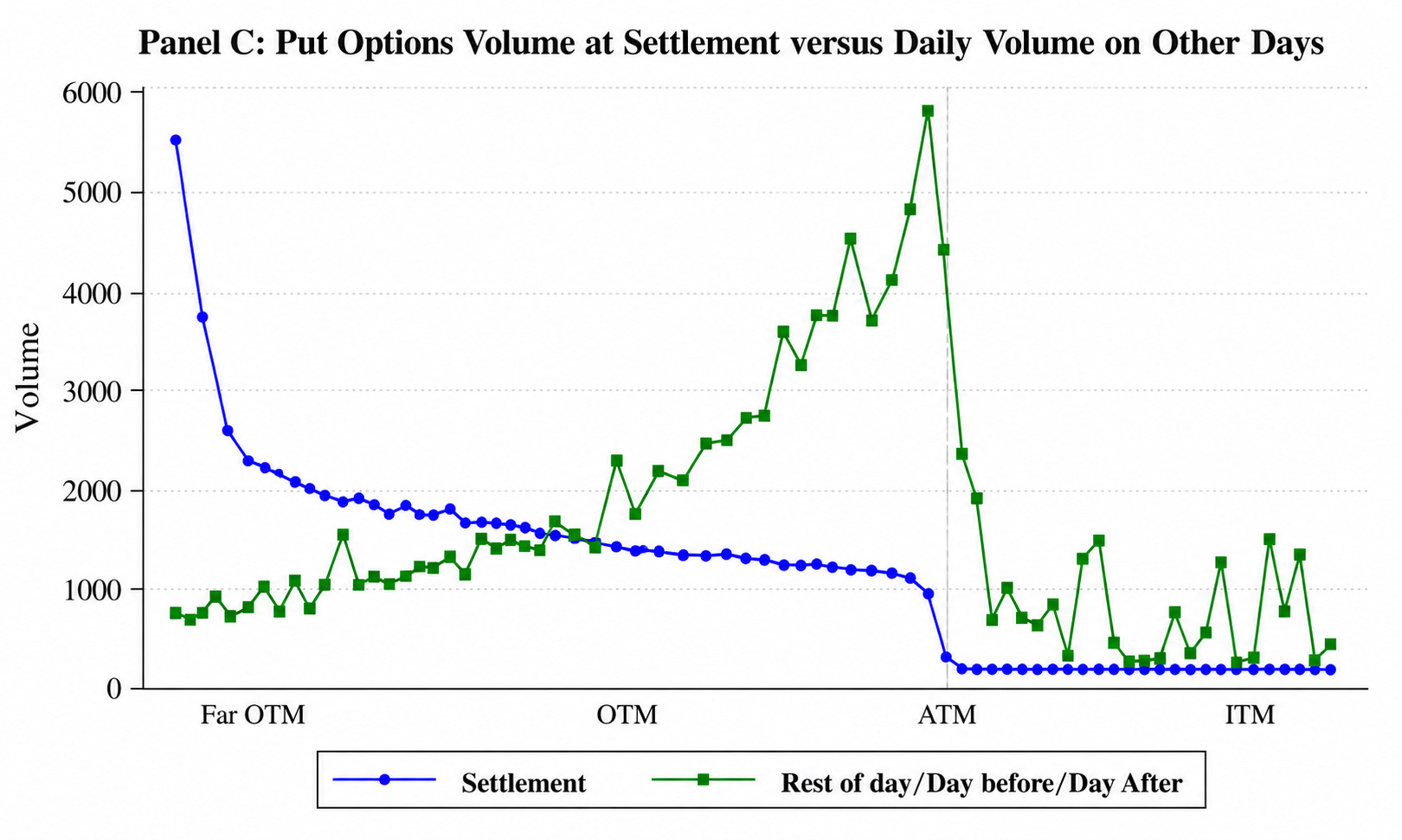
As demonstrated, these far OTM contracts only receive spikes in volume on the settlement day.
Finally, the biggest culprit comes from this line of the paper:
“The patterns are only present in SPX options and not in nearly identical OEX or SPY options, and only in OTM SPX options that are included in the VIX settlement calculation and not in ITM options that are excluded.”
So at this point you might be thinking the obvious thing:
“If this is real, why doesn’t everyone do it?”
Well, you can and you can’t.